

Back Pain: Preventing, Relieving, and Better Understanding Spinal Osteoarthritis
Back pain affects a large portion of the population and is among the most common everyday health complaints. According to some estimates, nearly 80% of adults will experience back pain at some point in their lives. While these pains are often temporary, they can become chronic and significantly affect quality of life.
Among the possible causes, spinal osteoarthritis is a common condition, particularly from the age of 50 onward. Understanding its origins, distinctive symptoms, and appropriate preventive measures is essential to maintaining mobility and continuing to move without pain.
Spinal Osteoarthritis: When Joints Wear Down
Osteoarthritis is a degenerative joint disease. It develops when cartilage, the thin protective layer between bones, gradually wears down and loses its flexibility. In the spine, this condition is known as spondylosis and can affect two main areas.
Lumbar Osteoarthritis
This is the most common form. It affects the vertebrae in the lower back, a region that is heavily used in daily life. This type of osteoarthritis is often linked to natural aging, but also to repetitive physical strain or poor posture.
People with lumbar osteoarthritis often experience:
- A dull, diffuse pain in the lower back;
- Morning stiffness that eases with movement;
- Discomfort after prolonged standing or physical effort;
- In some cases, pain radiating to the buttocks or thighs when a nerve is compressed.
Cervical Osteoarthritis
This form affects the neck and shoulder area. It can limit mobility and cause daily discomfort, especially during prolonged sitting or screen time. Symptoms may include:
- Neck stiffness, particularly in the morning;
- Headaches or a feeling of heaviness at the base of the skull;
- Dizziness or pain radiating into the arms in some cases.
Other Possible Causes of Back Pain
While osteoarthritis is a common cause, other conditions may also explain back pain, which is why proper diagnosis is important.
Muscle strain
Often caused by sudden movement, poor posture, or intense physical effort.
Herniated disc
When an intervertebral disc slips out of place and compresses a nerve.
Sciatica
Compression of the sciatic nerve, causing pain radiating through the lower back, buttocks, and legs.
Scoliosis
A spinal deformity that can cause uneven or asymmetrical pain.
Inflammation of joint tissues
Can be caused by conditions such as ankylosing spondylitis.
Risk Factors to Be Aware Of
Back pain and osteoarthritis are often multifactorial. Certain habits and lifestyle factors can worsen symptoms.
Sedentary lifestyle
Sitting for long periods weakens the muscles that support the spine.
Lack of muscle tone
A weak core provides less support to the spine.
Poor posture
Prolonged sitting or improper lifting increases pressure on the vertebrae.
Excess weight
Adds mechanical stress to the discs and accelerates wear.
Stress
Leads to persistent muscle tension, especially in the neck and shoulders.
Data published by Health Canada show that up to 90% of people who report back pain are unable to clearly identify its cause. This highlights how complex back pain can be and why it is often not attributable to a single, easily defined factor.
The good news is that there are many ways to take action!
Move Every Day
A sedentary lifestyle is one of the back’s greatest enemies. Incorporating movement into your daily routine, such as walking, swimming, yoga, or gentle stretching, helps maintain flexibility and muscle tone. Even a few minutes of movement several times a day can make a real difference.
Improve Your Posture
At work, adjust your chair and screen so that your eyes are level with the top of the monitor and your feet are flat on the floor. Avoid crossing your legs and stand up regularly to release tension.
Learn Proper Lifting Techniques
Bend your knees, keep your back straight, and hold objects close to your body. This technique reduces pressure on the lumbar vertebrae.
Take Care of Your Sleep
A mattress that is too soft or too firm can contribute to pain. Choose support that suits your body type and sleep on your back or side—never on your stomach.
Relax Your Muscles
Breathing exercises, heat therapy, or gentle massage can help relieve tension and improve blood circulation in the back.
Support your joints from within
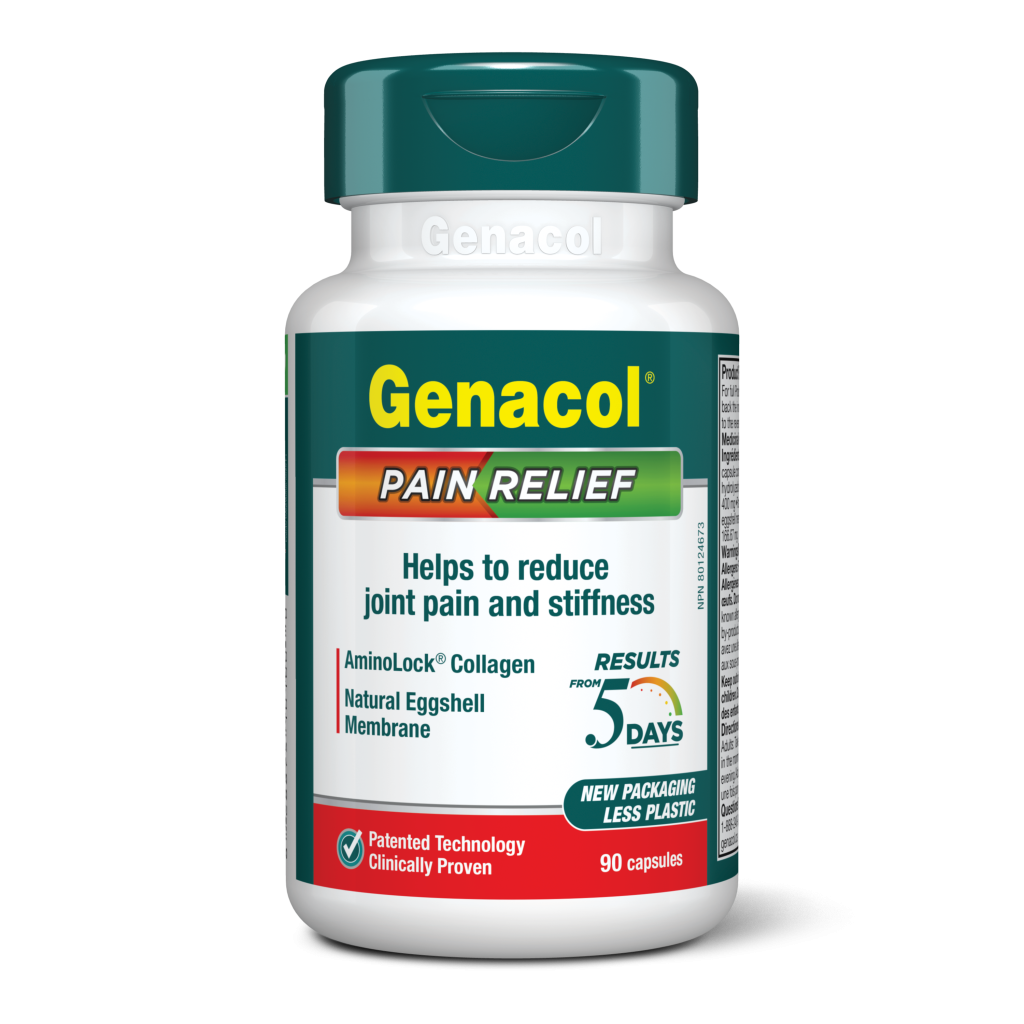
In addition to healthy lifestyle habits, incorporating targeted supplements can help better manage joint inflammation on a daily basis.
Adopting a Back-Friendly Lifestyle
Adopting an active lifestyle, maintaining a healthy weight, and following a balanced diet remain essential pillars for preserving back and joint health. Movement promotes the circulation of synovial fluid—a natural lubricant that is essential for joint mobility—while inactivity can increase stiffness and limit range of motion.
As part of a comprehensive approach to managing joint pain and stiffness, Genacol Pain Relief contains AminoLock® Collagen, an ultra-hydrolyzed collagen supported by three clinical studies, along with natural eggshell membrane. Through its patented technologies, Genacol Pain Relief helps support overall joint health, including the joints of the spine, while helping to manage discomfort associated with inflammation.
Taking daily care of your back, staying active, and choosing appropriate solutions to support joint health: a winning combination for maintaining a more flexible back and greater freedom of movement.